



The fashion industry is undergoing a significant transformation towards sustainability, requiring young designers to update their thinking and overcome challenges in order to integrate and thrive.
During the process of guiding students into the field of sustainable fashion and participating in international competitions such as the Redress Design Award, many positive signs have emerged, demonstrating the interest and efforts of young people in innovating their design thinking. In addition, some practical challenges have been identified, thereby opening up opportunities to improve the training program to support students' more comprehensive development in this field.
Challenges faced by students in accessing sustainable fashion.
Redress offers courses that provide students with a systematic approach to sustainable fashion. Instead of focusing solely on theory, the program emphasizes direct application to real-world design and production. This demonstrates the importance of sustainability, not just as a niche industry within fashion, but as a global concern for society as a whole. The main message conveyed by the Redress Design Award is to inspire a new generation of designers who are conscious of their social and environmental responsibilities.
Contrary to traditional views on fashion, young designers: Learn how to optimize fabric usage and recycle materials, aiming for zero-waste design. Besides design style, sustainable materials and eco-friendly materials play a crucial role in sustainable design. This is complemented by the application of green technologies., Applying 3D and new technologies to the design process to reduce waste.

Much of the material, courses, and requirements from international competitions are presented entirely in specialized English. This is a significant obstacle for design students, who often prioritize visual creativity over academic language. A lack of confidence and specialized vocabulary makes it difficult for students to deeply access international knowledge sources, thereby limiting their ability to analyze problems, synthesize ideas, and present projects to international standards. Consequently, their research papers, competition entries, or personal essays do not accurately reflect their creative potential and practical abilities.
Lack of reference sources and actual specimens.
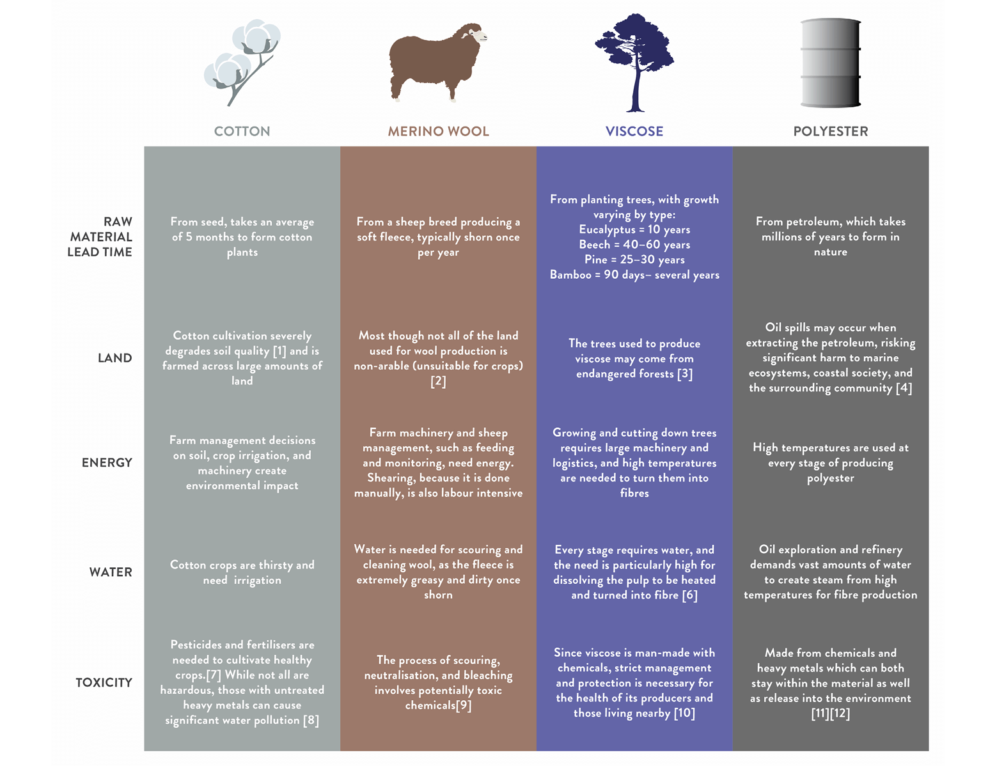
Besides language barriers, students also face difficulties in finding learning resources and real-world material samples related to sustainable fashion. While this is a field requiring interdisciplinary knowledge such as materials science, manufacturing technology, product lifecycle analysis, and environmental impact assessment, many students lack access to original materials, recycled product samples, or material comparison charts to strengthen their understanding and realize their ideas. This shortage makes the implementation of design ideas vague, lacking practical evidence, and failing to meet the standards of specialized competitions like the Redress Design Award.

To prepare for the competition, students need to invest in researching trends, building a collection that aligns with sustainability criteria, and presenting their ideas convincingly. Therefore, research skills play a crucial role in the fashion design industry, especially for designers who want to pursue sustainable fashion. Research not only helps students stay updated on trends but also supports the development of creative ideas with high practical application.

The role of research in fashion creation aims to... Discover and stay up-to-date with trends. This helps designers understand changes in consumer tastes and new technologies. Material analysis, research on fabrics, and sustainable processing technologies help optimize design. Through research skills, designers can find creative solutions to reduce waste, utilize resources more efficiently, and thus innovate traditional thinking. Instead of being confined to the concept of "sustainability" as meaning everything must be purely natural and recycled, students can gain a broader perspective on ideas and apply them creatively when designing sustainable products.

In the Redress Design Award competition Contestants need to clearly understand the competition requirements and prepare a suitable collection by researching the judging criteria. In addition, students should be aware of the importance of proactively learning about recycling technologies to apply advanced techniques, creating innovative designs while still ensuring sustainability.
Based on research into the product lifecycle, candidates can develop a reasonable strategic plan for sustainable product design and development. Research skills not only help students succeed in the competition but also equip them with a solid foundation for developing careers in sustainable fashion in particular and commercial fashion in general.
Developing research skills – the foundation for innovation and integration.
Research skills not only help students access a wide range of knowledge, but are also a core tool for enhancing systematic creativity. In the context of sustainable design, the ability to analyze data, assess product lifecycles, and seek new solutions from an environmental, economic, and social perspective is essential. Mastering research skills will help students develop critical thinking and establish in-depth design perspectives to overcome superficial trends and apply them creatively. From there, students can demonstrate their ability to present their work in a clear and academically engaging way, increasing the persuasiveness of their application and personal profile.
To enhance the quality of training and support students in comprehensively accessing sustainable design trends, based on the practical needs of students and faculty, an internal platform called KTK Resource was created – a place that compiles learning materials, technical guides, and research related to sustainable fashion, including selected academic materials, translations, or summaries by specialized faculty. It also features a digital library of case studies from outstanding entries from the Redress Design Award, sample images and videos on recycled materials, zero-waste techniques, and smart tailoring technologies, along with a bilingual interface to support students in using it flexibly and effectively.
To support students in their research and development of sustainable design projects, especially when participating in international competitions such as the Redress Design Award, the KTK Resource platform was built to provide practical tools to help students overcome language barriers, lack of specialized materials, and lack of practical experience. One of the important goals of this resource is to help students strengthen their specialized English skills. Workshops on academic English vocabulary and structures will be organized to clarify commonly used terms in the field of sustainable design, and to help students become familiar with analyzing and interpreting international documents.
In addition, reference and translation guides are compiled by specialized lecturers, along with bilingual sample essays, helping students gradually improve their reading comprehension and use of design language accurately. To make it easier for students to access international knowledge systems, free online courses are also offered.
In terms of curriculum, the specialized courses are designed to integrate theory with practice, guiding students on how to develop research outlines, portfolios, and competition entries according to international standards. Academic portfolio templates, analytical papers, proposals, and portfolios are readily available in KTK's digital library for students to use as reference materials.
The resources at KTK Resource will also be continuously updated to support students in researching new concepts, recycling techniques, and product lifecycle analysis. These resources include sample videos, images of recycled materials, international case studies, and foundational materials from reputable organizations in the sustainable fashion field. Simultaneously, students are encouraged to undertake individual projects such as experimenting with new materials, drawing inspiration from local culture, and maintaining a research journal to document their design thinking development and practical lessons learned.
Conclude
For sustainable fashion to become more than just a theoretical trend and a practical action within the educational environment, close collaboration between students, faculty, and Viet My College is essential. Building a support platform like KTK Resource, integrating language, academic, and technical tools, will serve as a foundation for students' holistic development. This is a necessary preparation for today's generation of design students to not only be creative but also proactively integrate and lead sustainable design trends in the future.
The experiences gained from the Redress course and the Redress Design Award competition not only open up many career opportunities but also contribute to creating a generation of designers with innovative thinking and social responsibility. This is a crucial stepping stone for the domestic fashion design industry to catch up with global trends. To have the opportunity to pursue and experience the fashion industry, Viet My College will be a solid bridge for those who love fashion in general and together create sustainable values for society.

About the author: Tran Hoa Thuan – Full-time lecturer in Fashion Design
Mr. Tran Hoa Thuan is a lecturer in Fashion Design, holding a Bachelor's degree in Fashion Design from Hoa Sen University. He has many years of experience working in the fashion industry, from creative design and product development to styling, image production, and marketing support through fashion products. Having held various roles in both domestic and international fashion environments, he understands the practical requirements of the industry and wishes to help students approach design thinking in a strategic and feasible way.
In addition to teaching and improving academic standards, he also undertakes personal projects to experiment with new creative ideas, research fashion trends, and develop products with his personal touch. This helps him maintain connections with the industry and provide students with the most practical and up-to-date perspectives.
With a teaching philosophy that emphasizes the connection between foundational knowledge, practical application, and market trends, the instructor aims to build an experiential classroom where students not only learn about design but also understand how to transform ideas into products and brands, helping them develop applied design thinking and prepare them for a professional environment.
References
Redress Design Award
https://www.redressdesignaward.com/
Toan Thinh Silk
https://toanthinhsilk.com/
Easter
https://www.pinterest.com/
Contact information:
Design Department – Viet My College HCM
Website: ktk.caodangvietmy.edu.vn
E-mail: ktk@caodangvietmy.edu.vn
Author: Design Department - Date written: April 17, 2025
Category: News - Events, Training program, DESIGN GROUP, Fashion design, Education news

0 thoughts on “GIẢI PHÁP HỖ TRỢ SINH VIÊN THIẾT KẾ TIẾP CẬN THỜI TRANG BỀN VỮNG QUỐC TẾ”